LINK: hospital of emotions: third floor – fear department
Preface: hospital of emotions: third floor – love department
I don’t fear a lot of things except maybe horror movies. Maybe because I know that all things will end at some point in time… something that I’ve grown rather accustomed to.
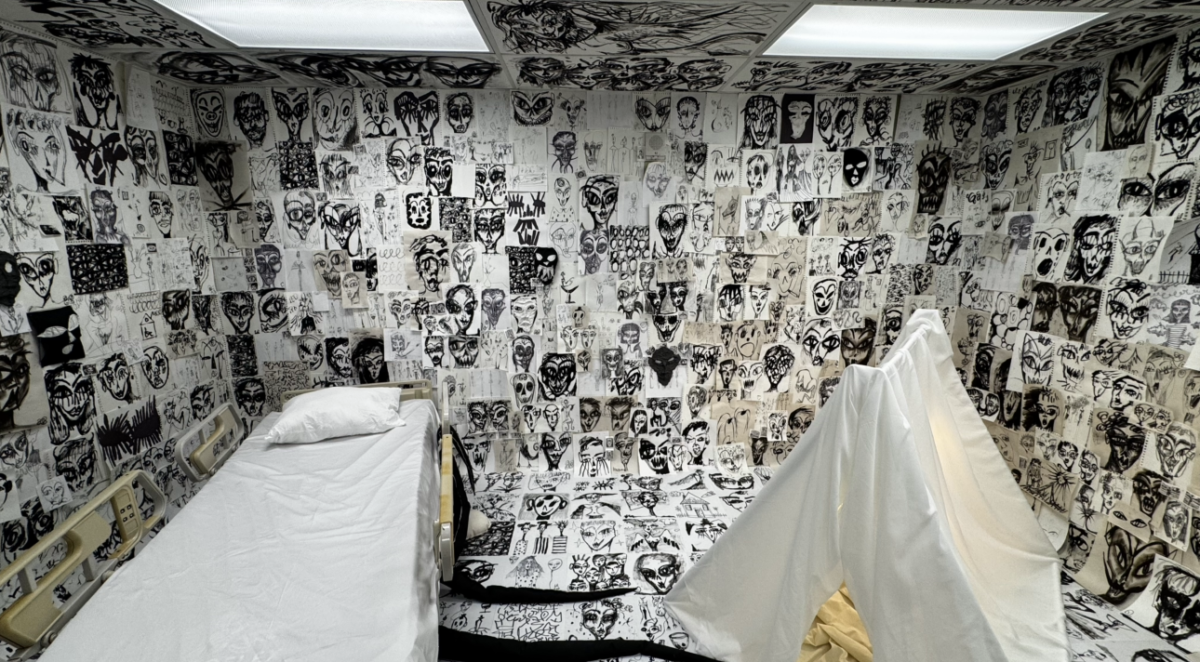
Room 73: For fifteen months, I lived in an immigration detention.
But fear did not begin there. It was already present – moving with me through countries and cities, quiet, persistent, never fully leaving.
I left Russia in 2022 because of my political views and because I am gay. What I thought would be a search for safety became a prolonged encounter with fear.
In detention, the meaning of “shelter” shifted – a place meant to confine me also became a place where I could survive.
This installation holds that feeling – how fear settles into the body, how it stays, even when there is no immediate danger, how safety, when it appears, feels temporary, almost unreal.
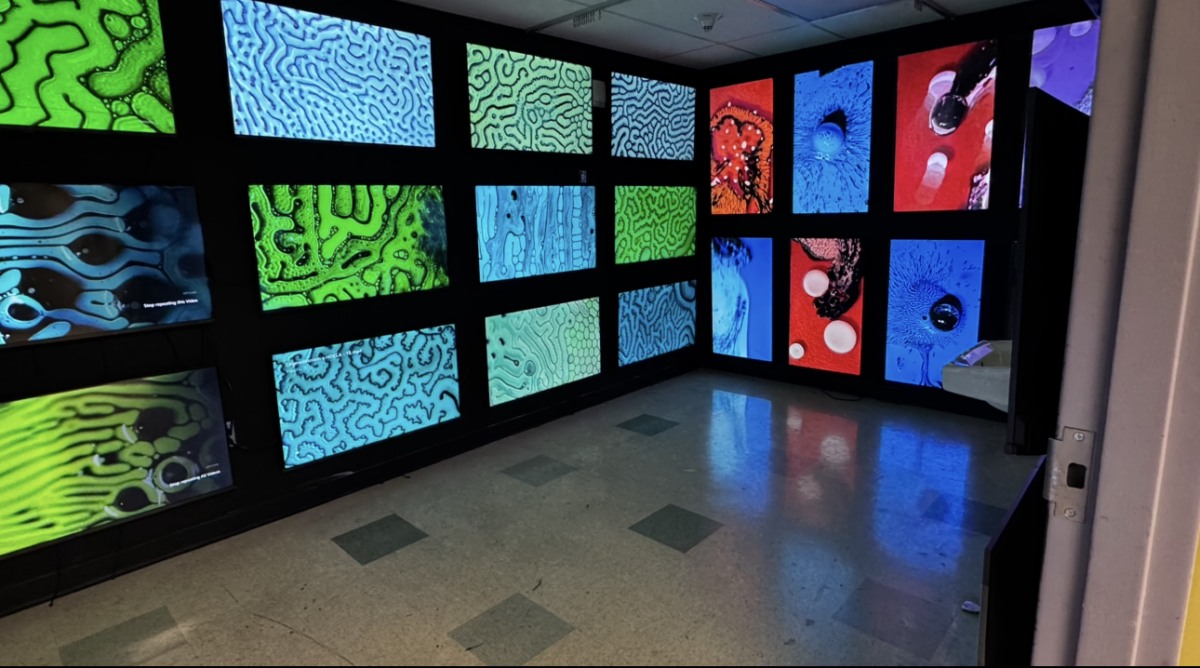
Room 76: ”I see only from one point, but in my existence I am looked at from all sides.” – Jacques Lacan, The Four Fundamental Concepts of Psychoanalysis
As a former agoraphobe, I spent years drowning in fear. True fear is a discomfort that burrows into your body and settles into your space – watching, monitoring, intending to protect by keeping you still.
Hand-built from waste materials in nurturing pastel shades, this installation conveys the duality of fear: soothing yet suffocating, protective yet paralyzing. Here, fear never looks away.
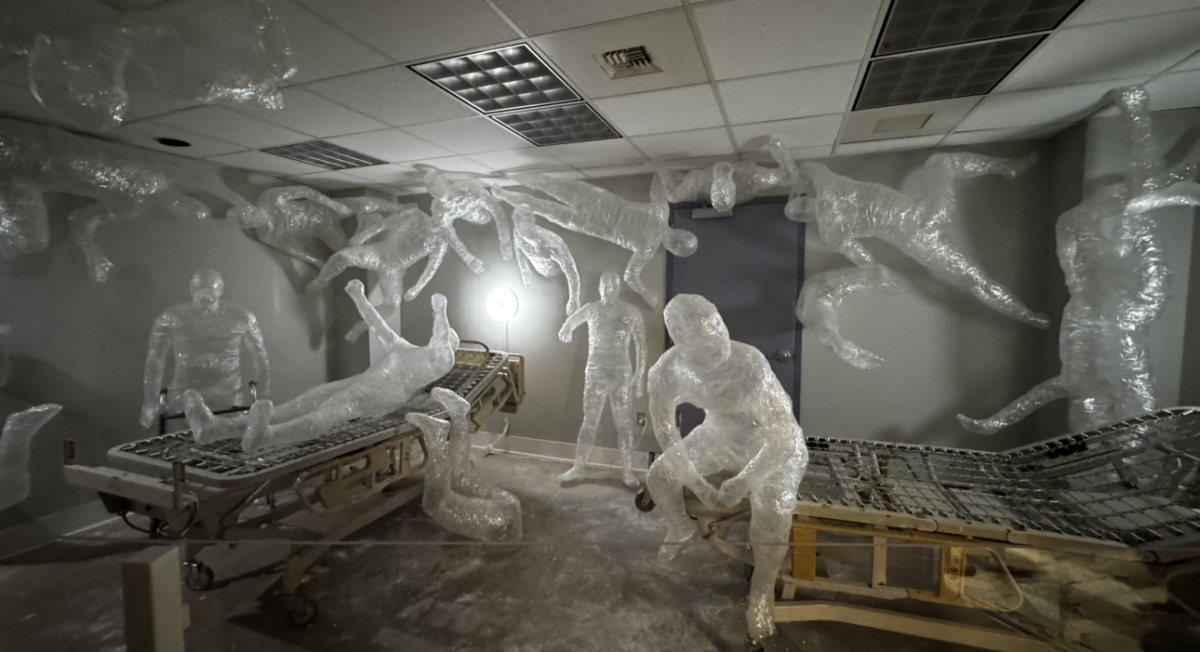
Room 78: The Other Side explores the fear of the unknown, inspired by the artist’s deaf grandfather, who saw “floating people” suspended above his hospital bed in his final weeks. This immersive installation invites visitors into that fracturing reality.
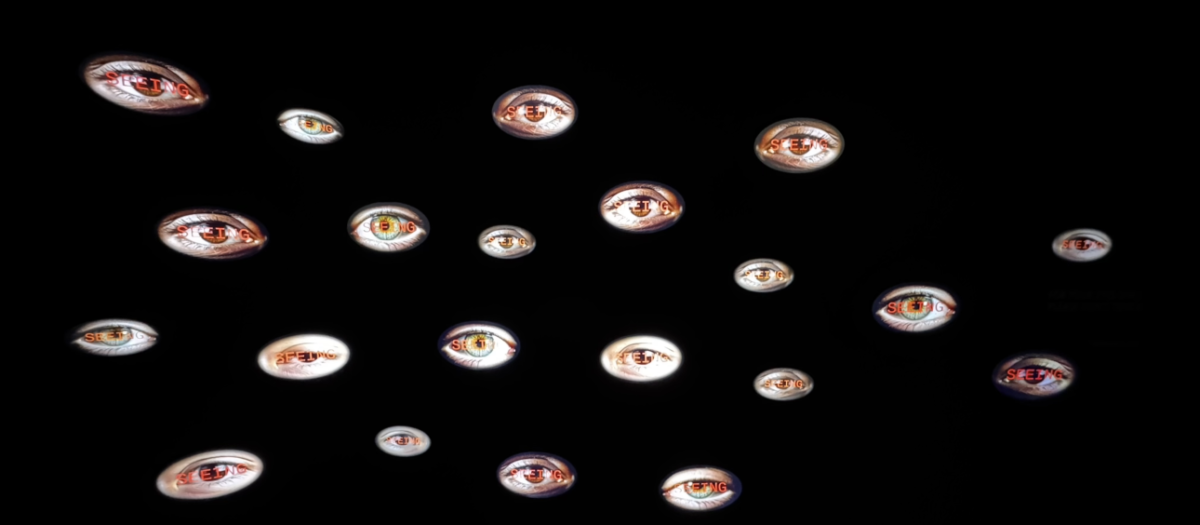
Room 79: The hospital represents one of humanity’s most vulnerable spaces, a place where we surrender autonomy, privacy, and control over our own bodies.
Under Observation transforms this clinical environment into a visceral exploration of the fear that permeates medical experiences the terror of being watched, examined, and judged while at our most defenseless.
The work interrogates the particular dread of medical vulnerability.
Who is watching? What are they seeing? What have they decided about
This work invites viewers to project themselves into that exposed position, confronting fears of diagnosis, prognosis, and the clinical gaze that reduces personhood to pathology.
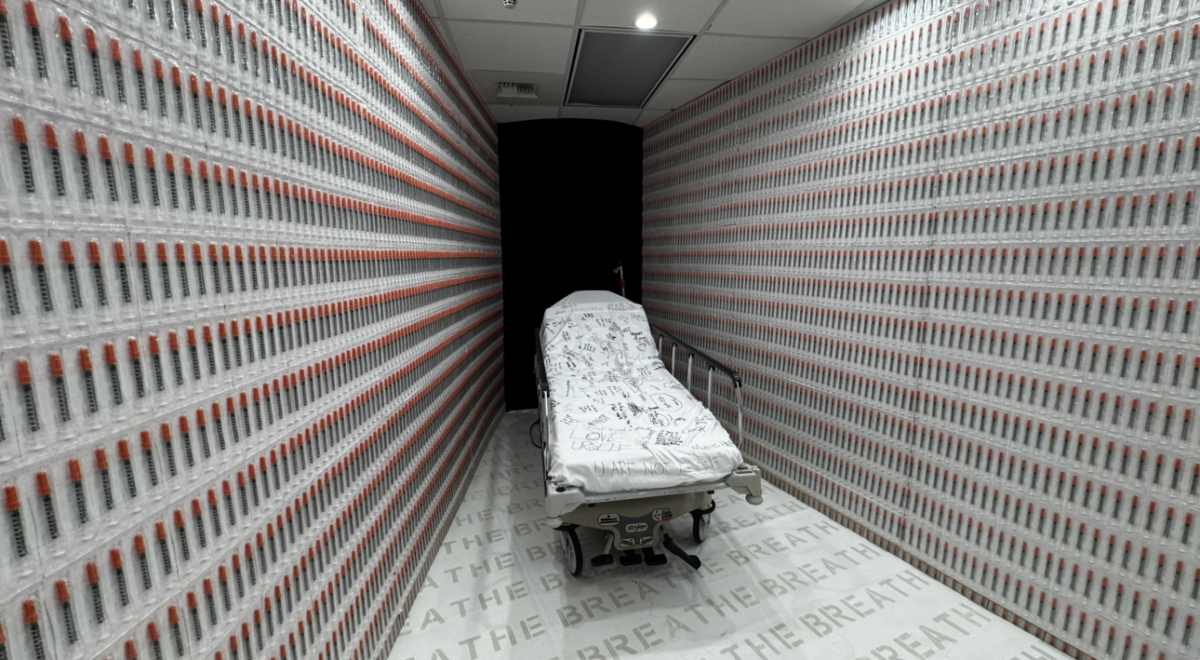
Room 80: Drawing from my own personal experiences, I’m always looking for ways to map the “invisible architecture” of mental health. By externalizing internal crises into physical environments, I aim to bridge the gap between those who live within these states and those who only observe.
In my installation, “A Walk into Trypanophobia, I use thousands of syringes in rigid grids to represent the sharp noise of anxiety. Through a narrowing tunnel, I explore the “bottomless” feeling of being trapped by fear. I juxtapose this intensity with a grounding path of rhythmic typography-the word
“Breathe” – acting as a cadence for survival. At the heart of this environment, a hospital bed is transformed into a shared sanctuary of raw handwritten narratives – a collection of wisdom on navigating fear and panic. These voices serve as a reminder that we are not alone in our vulnerability.
This is my invitation to you to acknowledge and face your fears – and reclaim the power of a single breath.


Leave a Reply