LINK: dementia fight club
Disclaimer: Everyone should do their own research and discuss options with their physicians. I’m not promoting the use of any of these medications. I’m just providing basic information in laymen terms.
But before we talk about the medications, we gotta know what is going on in the brain.
People with Alzheimer’s have two major issues:
- Amyloid plaques—the brain cells normally create a protein fragment called beta-amyloid. In a healthy brain, it can clean up the beta-amyloid but someone who has Alzheimer’s they building up beta-amyloid faster than it can get cleared and soon it starts to clump together into sticky plaques between the neurons. It’s like the trash piling up in the neighborhood because the garbage man stopped going to that neighborhood.
- Tau tangles—inside neurons, there’s a protein called tau that acts like scaffolding, it keeps the cell’s internal structure stable. In Alzheimer’s, tau gets mangled and tangled, and the neuron’s internal support system collapses… making the cell unable to function and eventually it dies.
When over time enough neurons die, the brain begins to shrink in areas responsible for memory and thinking.
- age. The risk can increase after 65 years old because the body’s cleanup system becomes less efficient over the years.
- genetics. APOE-e4 gene can raise a person’s risk.
- heart. Hypertension, diabetes, obesity, and smoking are linked to higher risk. These can all damage the blood vessels (stiffer walls, narrower passages, thickening) which can reduce the how much blood reaches the brain tissue.
- head injuries. Repeated traumatic brain injuries (TBIs) can increase the person’s risk later in life.
- Lifestyle. Staying mentally active, social, getting adequate good sleep, and exercising can help lower the risk, though it’s not a gaurantee.
Zunveyl (benzgalantamine):
It’s a medication to treat folks with mild to moderate Alzheimer’s disease.
The brain sends messages between neurons (brain cells) using chemical messengers. The big ones used for memory and focus is called acetylcholine. It’s like the neurons are sending texts to each other.
The issue with someone with Alzheimer’s is that the brain has an enzyme called acetylcholinesterase (almost acts like a chemical delete button), that breaks down acetylcholine really fast after it’s sent its message. Less acetylcholine remaining = fewer texts get through.
Zunveyl blocks the delete button (acetylcholinesterase inhibitor), which in theory would mean that the neurons have a better chance to actually get the message being sent. It’s not a cure but it can help slow down cognitive decline in early-to-mid stage Alzheimer’s.
Auvelity (dextromethorphan-bupropion):
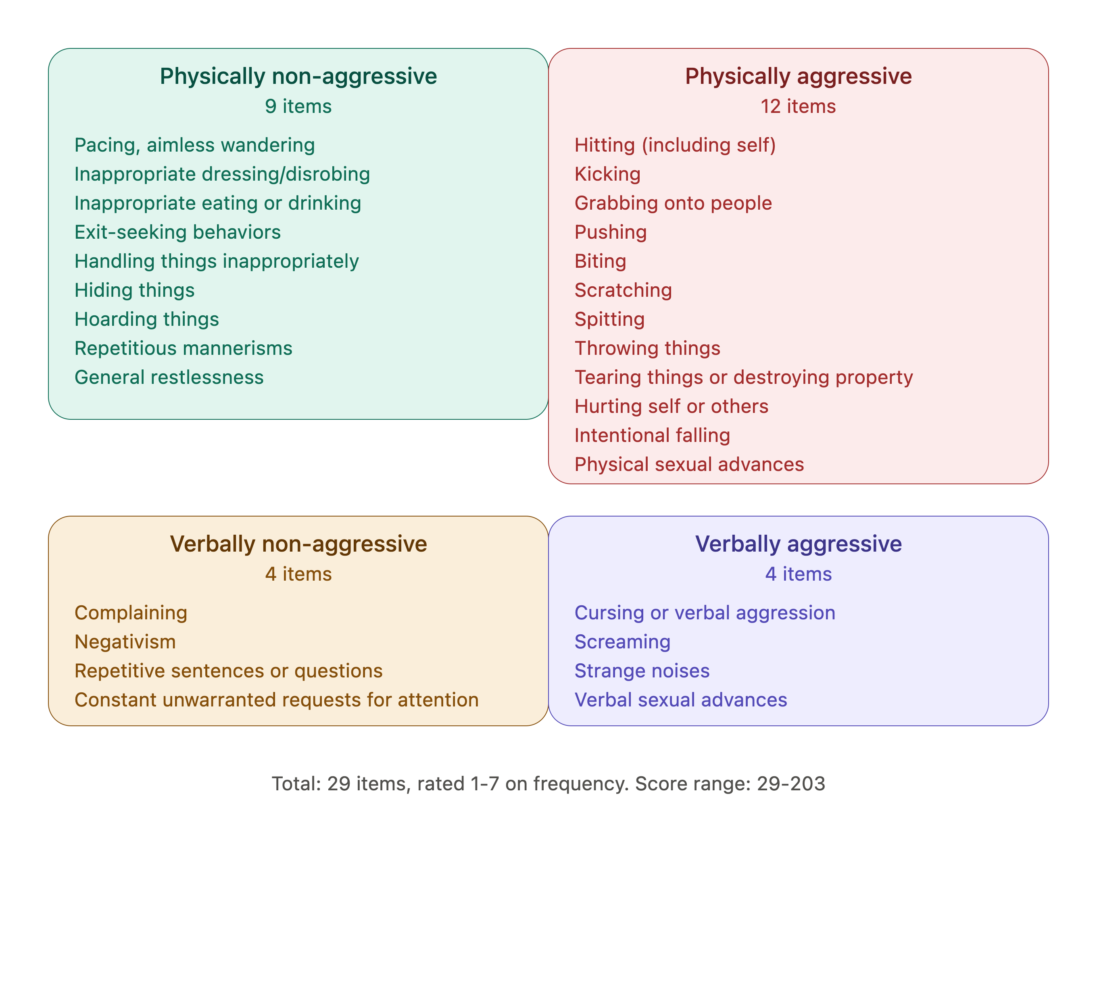
It’s originally an anti-depressant and now indicated for Alzheimer’s-related agitation.
The brain’s main “go” signal is called glutamate. It’s responsible for learning, mood, and how neurons communicate overall. Dextromethorphan changes how the glutamate message is received. Imagine a mail slot on a door (NMDA receptor). Now dextromethorphan partially closes the slot so fewer letters are able to go through at once. This sounds terrible… but it actually helps calm down an overactive brain and help fix mood problems. It also touches sigma-1, another receptor, that helps protect and support neurons.
The bupropion part of the medication acts like a bodyguard, making sure that dextromethorhan doesn’t get kicked out or broken down prematurely.
rexulti (brexpiprazole):
It’s an atypical anti-psychotic, also used for Alzheimer’s-related agitation.
Dopamine helps with mood, motivation, and how alert someone feels. Serotonin also helps control mood and calmness.
The medication acts like a volume knob for these chemical signals. It works as a partial agonist, which means that it gently moves the signal towards the middle instead of blasting it to the max or turning off the noise, which helps decrease the agitation.


Leave a Reply